


What Happens After?

Movies and TV Shows That Explore Trauma, PTSD, Grief, and Healing
When trauma is portrayed in film and television, the focus is often on the event itself. But for many survivors, the more difficult journey begins afterward.
PTSD Awareness Month is an opportunity to recognize that healing isn't linear, and trauma doesn't disappear once the immediate crisis has passed. The stories below explore grief, resilience, identity, and recovery in different ways. While not every character has a formal PTSD diagnosis, each of these films and television series offers insight into how life can change after trauma and the many paths people take toward healing.
Movies
Sorry, Baby (2025)

Shaped in dramedy style, the story follows a woman navigating life after being sexually assaulted. Rather than focusing on the event itself, the film explores the quiet, everyday ways trauma can linger and how healing often happens in small moments. Sorry, Baby offers a thoughtful look at how trauma can reshape daily life, relationships, and a person's sense of safety long after the event has ended.
I Used to Be Funny (2023)

A dark comedy-drama about a stand-up comedian struggling to move forward after experiencing sexual violence, I Used to Be Funny explores what it means to reconnect with parts of yourself that feel lost. As she navigates relationships, memories, and the uncertainty of moving forward, the film offers a thoughtful look at identity, resilience, and healing after trauma.
Manchester by the Sea (2016)

Following a family tragedy, a withdrawn man returns to his hometown and is forced to confront painful memories while caring for his teenage nephew. Manchester by the Sea offers a deeply human portrayal of grief and loss, showing how trauma can affect relationships, emotional well-being, and a person's ability to engage with the world around them.
Thelma & Louise (1991)

What begins as a weekend getaway quickly transforms into a journey of survival, self-discovery, and friendship after the two women encounter violence and harassment. Thelma & Louise explores themes of autonomy, trust, and resilience while highlighting the power of solidarity in the face of adversity.
The Hunger Games: Catching Fire (2013)
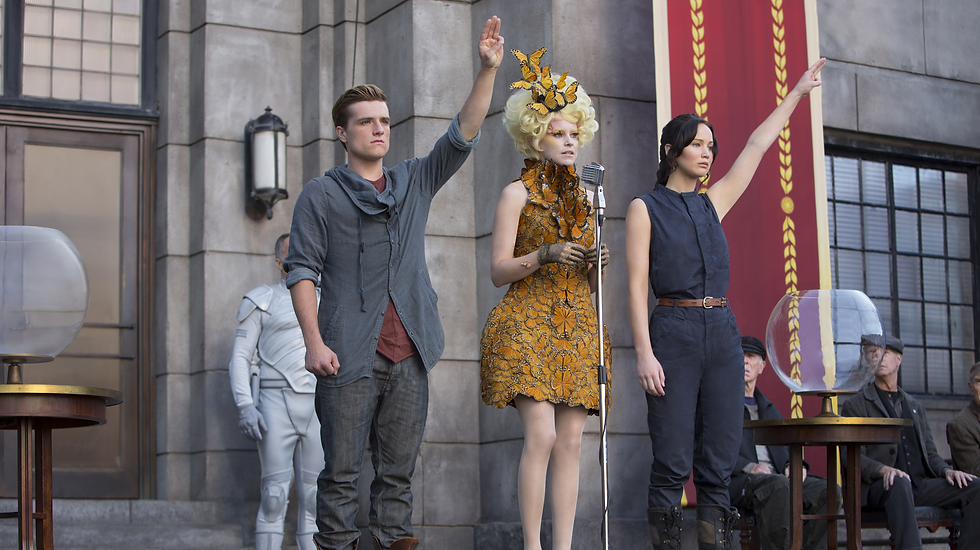
After surviving the 74th Annual Hunger Games, Katniss Everdeen struggles to return to everyday life while carrying the emotional weight of everything she endured. As she faces increasing pressure from the Capitol, public scrutiny, and constant reminders of her survival, she is repeatedly forced to relive her experiences long before being sent back into the arena for the 75th Hunger Games. Catching Fire illustrates how trauma can be compounded when survivors are denied the time, safety, or support needed to heal, showing how fear, grief, and re-traumatization can continue to shape a person's life long after the initial danger has passed.
Television Shows
Never Have I Ever (2020)

After the sudden death of her father, Devi attempts to navigate high school, friendships, and family expectations while carrying the weight of her grief. Through humor and heartfelt moments, Never Have I Ever explores how loss can shape identity, relationships, and the journey toward healing.
Reservation Dogs (2021)

Set in rural Oklahoma, Reservation Dogs follows four Indigenous teenagers coping with the loss of a close friend while dreaming of a different future. Blending humor, culture, and community, the series offers a powerful exploration of grief, resilience, and the importance of connection in the healing process.
Unbelievable (2019)

Based on true events, Unbelievable follows a young sexual assault survivor whose report is initially dismissed by authorities while investigators uncover a pattern of crimes. The series provides a moving portrayal of survival, the impact of not being believed, and the importance of trauma-informed responses.
Unbreakable Kimmy Schmidt (2015)

After escaping years of captivity, Kimmy moves to New York City determined to build a new life. While the series uses humor as its foundation, it also explores resilience, adaptation, and the ways people learn to move forward after surviving unimaginable circumstances.
H2O: Just Add Water (2006)

When three teenage girls suddenly gain mermaid powers, their lives are forever changed as they struggle to balance friendships, family responsibilities, and a secret that isolates them from the people around them. Beneath its fantasy premise, H2O: Just Add Water explores themes of identity, loss, responsibility, and adaptation, showing how unexpected life changes can reshape a person's sense of self and the future they imagined for themselves.
The Bear (2022)

After the sudden death of his brother, Carmen "Carmy" Berzatto returns to Chicago to run his family's struggling sandwich shop. A trained fine-dining chef, he tries to bring structure and order to a chaotic kitchen while navigating grief, pressure, and the emotional weight of loss. The Bear explores burnout, trauma, and the intensity of trying to function while carrying unresolved grief, as well as the complexities of rebuilding trust, teamwork, and friendships in a high-pressure environment.
Why Representation Matters
No film or television show can fully capture every survivor's experience, and healing looks different for everyone. However, thoughtful portrayals of trauma can help foster empathy, challenge misconceptions, and create opportunities for meaningful conversations about mental health and recovery.
Whether these stories reflect your own experiences or offer a new perspective, they remind us that trauma doesn't define a person's future. Healing is rarely a straight line, and every journey forward is unique.
If you or someone you know is navigating the effects of trauma, know that support is available. Reaching out for help is a sign of strength, and no one has to heal alone.




Comments