


Stories Worth Reading: Books to Explore for Native American Heritage Month

November is Native American Heritage Month, a time to recognize, celebrate, and learn about the histories, cultures, contributions, and experiences of Indigenous communities. One way to continue learning is through literature, especially stories told by Indigenous authors themselves.
This month, we're highlighting a collection of books that explore Indigenous identity, history, mental health, relationships, and the ongoing fight for Native rights and sovereignty. Whether you're looking for a gripping historical account, a deeply personal memoir, or a story that challenges what you thought you knew, there's something on this reading list for you.
Here are a few books we recommend adding to your reading list!
1. Heart Berries: A Memoir by Terese Marie Mailhot
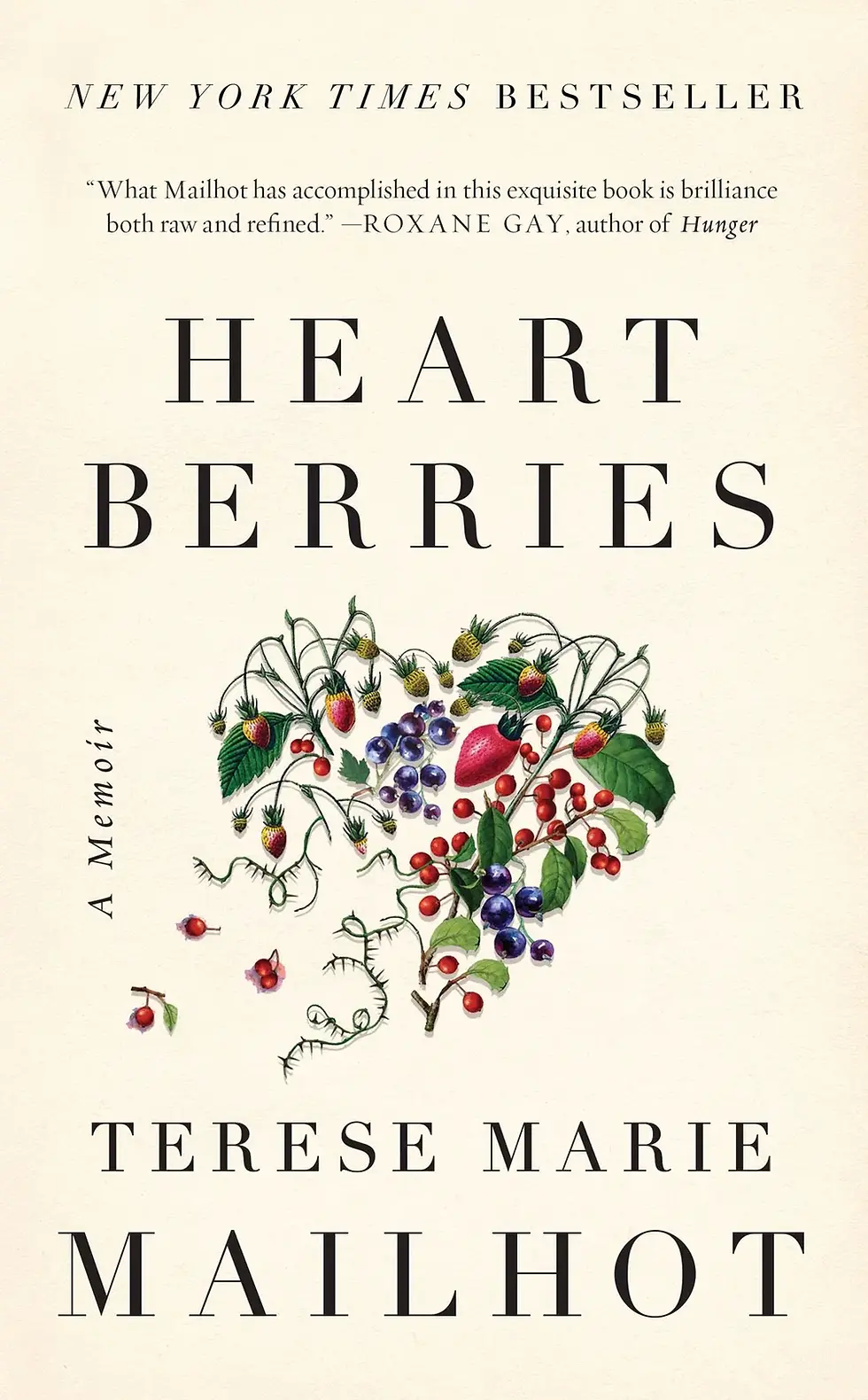
In Heart Berries, Terese Marie Mailhot offers an intimate and deeply personal account of her life, exploring her upbringing on the Seabird Island Indian Reservation, her experiences with mental health, motherhood, grief, and complicated family and romantic relationships. Written in a poetic, stream-of-consciousness style, Mailhot doesn't shy away from the uncomfortable parts of her story. She explores the complexities of living with bipolar II disorder and PTSD while navigating the lasting effects of trauma, family relationships, and her own sense of identity. Raw, vulnerable, and beautifully written, Heart Berries invites readers to sit with the complicated realities of healing, love, and understanding oneself.
Recommended for: Mental health professionals, readers interested in personal memoirs, and those interested in exploring the intersections of mental health, trauma, identity, and relationships.
2. By the Fire We Carry: The Generations-Long Fight for Justice on Native Land by Rebecca Nagle

If you enjoyed Killers of the Flower Moon, Rebecca Nagle's By the Fire We Carry is another compelling read that brings together investigative journalism, historical storytelling, and a deeply personal account of the fight for Indigenous rights. Nagle explores the generations-long struggle for Native land and sovereignty through the history of forced removal, a small-town murder, and the landmark 2020 Supreme Court decision in McGirt v. Oklahoma. The book follows how a criminal case became part of a much larger legal battle over whether the Muscogee Nation's reservation still legally existed. As a citizen of the Cherokee Nation herself, Nagle also weaves her own family history into the narrative, creating a story that is both personal and political.
Part historical account and part legal thriller, this book makes complicated questions about tribal sovereignty, justice, and Native land rights accessible to readers while highlighting the ongoing fight for Indigenous communities.
Recommended for: Readers who love a mystery, investigative journalism, true crime, and learning about Indigenous history and legal rights.
3. Treat Them as Buffalo by Blair Palmer Yoxall

Set in 1885 during the North-West Resistance, Treat Them as Buffalo follows Nikosis (Niko) Eriksen, a young Métis boy whose world is turned upside down when his cousin mysteriously disappears. As more Métis boys begin disappearing from their community, Niko and the people around him find themselves navigating a dangerous search for answers. With law enforcement unwilling to take action, the community begins organizing its own response, led in part by a group of determined women. Through Niko's perspective, Blair Palmer Yoxall explores the realities of colonial violence, cultural identity, family, and resistance. The novel challenges traditional Western storytelling by centering a Métis community and the people fighting to protect their families and futures.
For readers looking for an engaging, suspenseful story that also introduces important moments in Indigenous history, this novel is worth exploring.
Recommended for: Readers who enjoy historical fiction, mystery, Westerns, and stories about community resilience.
4. Braiding Sweetgrass: Indigenous Wisdom, Scientific Knowledge, and the Teachings of Plants by Robin Wall Kimmerer
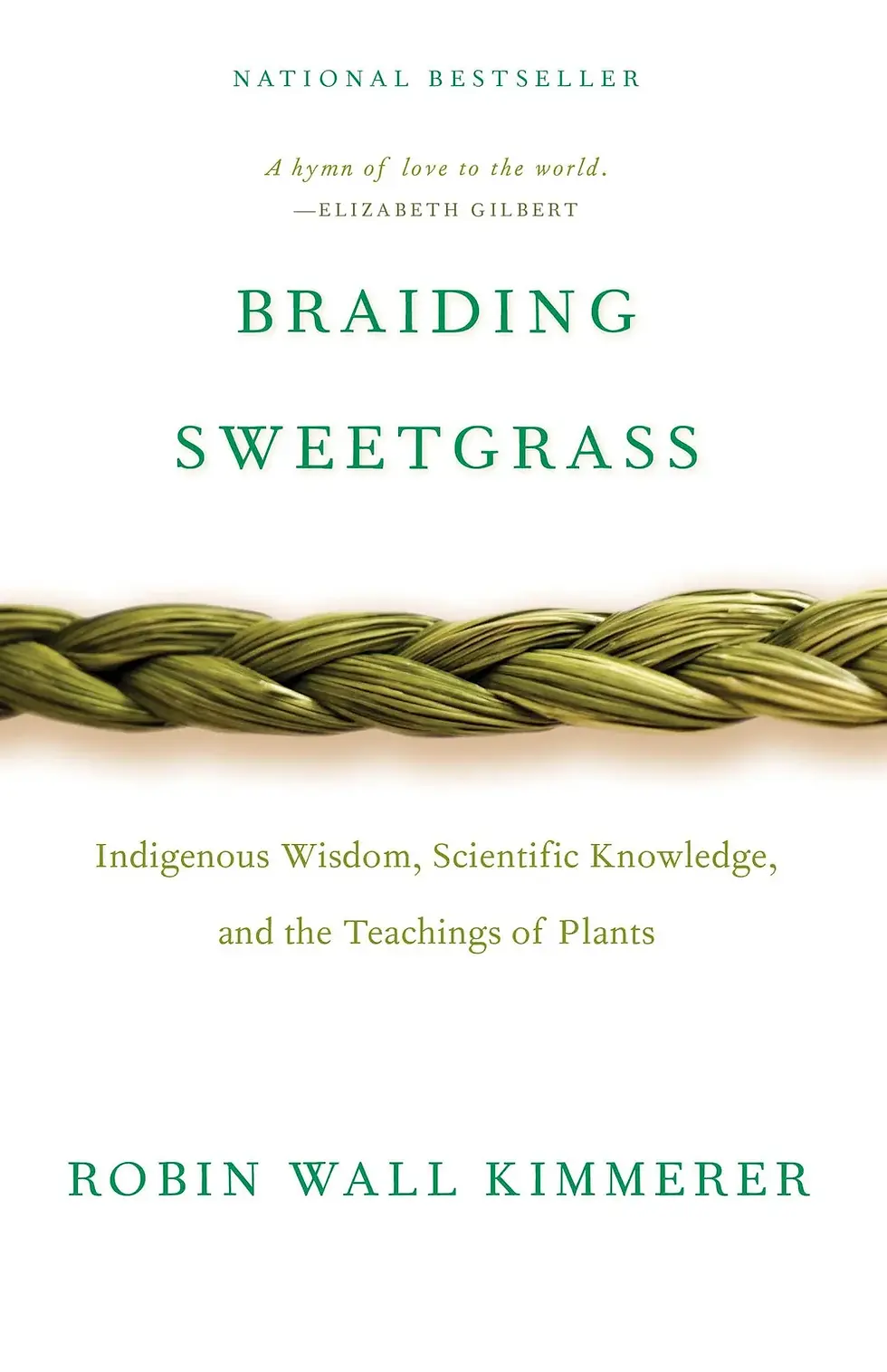
What can plants teach us about the way we live? In Braiding Sweetgrass, botanist and member of the Citizen Potawatomi Nation Robin Wall Kimmerer explores the relationship between Indigenous knowledge, science, and the natural world. Through stories about sweetgrass, strawberries, forests, and other elements of the natural world, she encourages readers to reconsider how humans interact with the environment. At the heart of the book is the idea of reciprocity: the understanding that the earth provides for us, and that we have a responsibility to give back in return. Kimmerer challenges the idea that nature exists solely for human consumption, instead encouraging a relationship rooted in gratitude, respect, and mutual care.
Recommended for: Nature lovers, environmental advocates, readers interested in Indigenous knowledge, and anyone looking to rethink their relationship with the natural world.
Keep Reading, Keep Learning
Native American Heritage Month is an opportunity to celebrate Indigenous voices, recognize histories that are often overlooked, and make space for stories that deserve to be heard year-round. Whether you're exploring personal experiences, learning about the fight for tribal sovereignty, or discovering a different way of understanding our relationship with the natural world, these books offer meaningful opportunities to listen, reflect, and learn.
Reading is just one small way to deepen our understanding, but it's an important place to start. We encourage you to support Indigenous authors, explore Indigenous-led resources, and continue learning beyond the month of November.
Happy reading!




Comments